3 Reasons Why Counting Calories Doesn’t Work and What To Do Instead
Dave Delbecchi • December 21, 2021
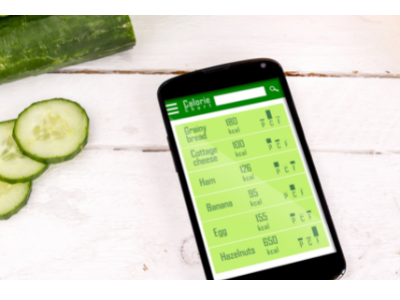
A cell phone with a calorie calculator on the screen

We’ve all been taught to count calories to lose weight right? If you’ve tried this you know how frustrating it can be and here are 3 reasons why:

1. IT MAKES YOU THINK OF FOOD ALL THE TIME

Do you really want to be weighing, measuring and analyzing everything you eat? Hell no! It’s a “food prison” and who wants to live there, besides how long do you think you can do it?

2. IT CAUSES YOU TO LIVE IN YOUR HEAD

Counting calories causes you to approach food from a completely mental standpoint. You make up rules of what you can and can’t eat, what has the best bang for your calorie buck, and what’s the healthiest with the lowest amount of calories. This keeps you locked in the food prison and never really get in touch with what your body wants or needs.

3. IT’S COMPLETELY UNREALISTIC IN THE LONG RUN

Imagine starting today and for the rest of your life, you have to weigh, measure and analyze every last bit of food that you ate. It’s just not sustainable and it’s a bandaid approach for short term gain.

What to do instead

1. EAT INTUITIVELY

Trust your body. Your body is an amazing machine, it knows when it’s hungry, when it’s full and when something’s not right. While a complicated machine, don’t overthink it, keep it simple. Start by eating 3 balanced meals a day; breakfast, lunch and dinner. Try to get a combination of carbohydrates, protein and healthy fats at each meal. Fill your plate with lots of veggies, add protein, then some complex carbohydrates like sweet potato and finish with quality healthy fats such as olive oil.

2. SLOW DOWN

What’s the rush? When we eat, most of the time we are preoccupied with thinking about what we have to do next. Why not enjoy that meal, take your time, taste the food – it’s a celebration. Not everyone is so lucky. Tips; put the fork down between bites, take a sip of water, talk with your partner, chew longer – whatever it takes, slow down!

3. LEAVE SOME ROOM

Touching a bit on point #2, your stomach and mind take about 20 minutes to register the feeling of being full. So, if you eat every meal to the point of fullness (stuffed) in about 20 minutes you may start to feel lazy or lethargic (overstuffed). We’ve all been there right? Try this next time you eat; stop when you feel about 80% full (still have room, but feel satiated), leave food on the plate (save it for a snack later), wait 10 minutes and see how you feel.

More Posts

By Dave Delbecchi March 25, 2026
If you spend any time in the fitness space lately, you’ve probably noticed a trend. A lot of coaches are telling people to skip cardio. The message is simple: Lift weights. Build muscle. Forget cardio. Some even go as far as saying things like, “Fuck Cardio.” I understand where this idea comes from. Many people hate cardio. Running on a treadmill for an hour sounds miserable to most people. And yes—strength training is incredibly important. Especially as we age. But eliminating cardio completely? That’s a mistake. Because when you remove cardio from your training, you’re ignoring one of the most important components of long-term health. Strength Training Is Essential — But It’s Not Everything As we age, resistance training becomes critical. Lifting weights helps maintain muscle mass, improve insulin sensitivity, strengthen bones, and support hormonal health. Muscle is protective as we get older. It supports metabolism. It supports joint stability. It helps maintain independence later in life. This is why any serious fitness program should include strength training. But focusing only on lifting weights and ignoring cardiovascular training misses a major piece of the puzzle. Strength builds muscle. Cardio builds your heart and lungs. And real health requires both. VO₂ Max: One of the Strongest Predictors of Longevity One of the biggest reasons cardio matters is something called VO₂ max. VO₂ max measures how efficiently your body uses oxygen during exercise. In simple terms, it reflects the capacity of your heart, lungs, and muscles to work together. Why does this matter? Because research consistently shows that VO₂ max is one of the strongest predictors of long-term health and mortality. People with higher cardiovascular fitness tend to live longer and experience fewer chronic diseases. This includes lower risk of: Heart disease Stroke Metabolic disease All-cause mortality In other words, your cardiovascular fitness matters—a lot. And the only way to improve it is through some form of conditioning or cardio. The Problem With “No Cardio” Fitness Programs The idea of skipping cardio completely usually comes from two places. First, many people associate cardio with long, slow, boring workouts. Second, some bodybuilding-style programs prioritize maximizing muscle growth. In that context, excessive cardio can sometimes interfere with recovery or muscle gain. But this doesn’t mean cardio should be eliminated. It simply means it should be programmed intelligently. The goal isn’t endless hours of cardio. The goal is building cardiovascular capacity without compromising strength training. And that balance is entirely possible. The Bottom Line You technically don’t need to do cardio. Just like you technically don’t need to exercise at all. But if you care about long-term health, performance, and longevity? You probably should. Strength training builds muscle. Cardio strengthens your heart and lungs. Together, they create a foundation for lasting health. So before you follow another fitness trend telling you to skip cardio, take a step back. Ask yourself what you’re really training for. If the answer includes health, longevity, and real fitness… Then cardio deserves a place in your program.
By Dave Delbecchi August 24, 2025
Earn Your Intensity. What does that really mean? The word earn can sound harsh—like we’re telling someone they don’t deserve something. But in CrossFit, “earning your intensity” is about respecting the process. It’s built on the foundation we always come back to: technique first, consistency second, and intensity last. If you focus on improving your technique and applying it consistently, then over time you truly earn the right to add intensity. And here, I’m speaking specifically about heavy lifting. Cardio has its own demands, but let’s stay with lifting for now. Take the back squat as an example. If you haven’t mastered a solid air squat—chest tall, hips below parallel, knees tracking properly—why would you expect to move heavy weight safely? If you can’t do the basics well, you haven’t yet earned the right to go heavy. When I say earn the right, it’s not about me telling you what you can or can’t do. You’re an adult. It’s really a question: has your technique and consistency prepared your body for the demands of heavier loads? Has your strength and mobility built up enough to handle the position safely? If not, then the smartest path forward is simple: refine your squat. Keep working at lower intensities on both strength days and in workouts. That way, you’ll improve movement quality, break old habits, and address mobility limitations. Sometimes it’s not a lack of strength—it’s just that you’ve gotten comfortable with “your version” of the squat instead of chasing a better one. By focusing on technique first, two things will happen: you’ll get stronger, and you’ll reduce your risk of injury. That’s why it’s worth taking the time to earn your intensity. So the next time you approach a heavy lift, remember—it’s not about how much weight you want to put on the bar. It’s about what you’ve earned through consistent, quality movement.
By Dave Delbecchi August 6, 2025
"Discover why most diets fail and how consistency, accountability, and proper nutrition coaching lead to lasting fat loss. Learn why calories and macros matter."
SHOW MORE