How to Find Fitness Motivation: The Secret

Dave Delbecchi • June 14, 2022

Everyone knows working out is a good thing.

It’s common sense. Yet the majority of people don’t work out. 

Why is that?

Well, “workout” contains the word “work,” and if you aren’t motivated, you won’t want to sweat. 

But if you’re motivated, you’ll definitely dig into a program or routine. So how do you find motivation?

We have the secret. It has two parts:

Focus on your goals and rely on a coach.

How to Accomplish Your Goals

Would it be fun to spend all your money on electronics and clothes and other cool stuff? Yes! But you don’t because you have other goals, like paying your rent or mortgage, taking a vacation, saving for retirement, and so on. You’re motivated, so you stay on track. 

Fitness is just like that. If you have goals, you’ll be motivated to work toward them. But here’s the problem: If you don’t see progress, you’ll quit. 

Financial goals are easy to track because you can watch the numbers. Easy, right? For most people, fitness goals are way harder to track. But we can help. We’ll help you identify your short- and long-term goals, determine how to measure them, and track progress. And we’ll celebrate all the small wins along the way to the big one!

That brings us to the second element of motivation: Rely on a coach.

You’ve got the goals for sure. But you might not have the plan. Want to lose 20 lb.? We can tell you how. Want improve your endurance? We have a program. Want to get stronger? That’s in our wheelhouse, too.

There’s nothing more frustrating than spinning your wheels. But if you see a clear path to your goals and get to celebrate milestones along the way, you’ll be very motivated. A coach is the person who will draw the map from your current state to your goals and set up wins along the way. He or she will be the first to pick you up when motivation is down. And your coach will also be the one who celebrates every single win with you.

If we told you to go suffer through a workout right now, you might curl your nose at the thought. But if we told you that you’d be led through the perfect workout for your goals by an inspiring professional who will make you smile, you’d probably feel much more inclined to tie up those runners!

Bonus: We offer the chance to work one on one with a personal coach or in a group setting. Some people love the devoted attention of a personal coach, but other people get fired up by the energy of a supportive group. The choice is up to you!

Now that you know the secret to motivation, you have only one thing left to do: start! You can do that by clicking HERE. Come see us and we’ll put together the perfect program for you—with motivation and inspiration guaranteed!

More Posts

By Dave Delbecchi March 25, 2026
If you spend any time in the fitness space lately, you’ve probably noticed a trend. A lot of coaches are telling people to skip cardio. The message is simple: Lift weights. Build muscle. Forget cardio. Some even go as far as saying things like, “Fuck Cardio.” I understand where this idea comes from. Many people hate cardio. Running on a treadmill for an hour sounds miserable to most people. And yes—strength training is incredibly important. Especially as we age. But eliminating cardio completely? That’s a mistake. Because when you remove cardio from your training, you’re ignoring one of the most important components of long-term health. Strength Training Is Essential — But It’s Not Everything As we age, resistance training becomes critical. Lifting weights helps maintain muscle mass, improve insulin sensitivity, strengthen bones, and support hormonal health. Muscle is protective as we get older. It supports metabolism. It supports joint stability. It helps maintain independence later in life. This is why any serious fitness program should include strength training. But focusing only on lifting weights and ignoring cardiovascular training misses a major piece of the puzzle. Strength builds muscle. Cardio builds your heart and lungs. And real health requires both. VO₂ Max: One of the Strongest Predictors of Longevity One of the biggest reasons cardio matters is something called VO₂ max. VO₂ max measures how efficiently your body uses oxygen during exercise. In simple terms, it reflects the capacity of your heart, lungs, and muscles to work together. Why does this matter? Because research consistently shows that VO₂ max is one of the strongest predictors of long-term health and mortality. People with higher cardiovascular fitness tend to live longer and experience fewer chronic diseases. This includes lower risk of: Heart disease Stroke Metabolic disease All-cause mortality In other words, your cardiovascular fitness matters—a lot. And the only way to improve it is through some form of conditioning or cardio. The Problem With “No Cardio” Fitness Programs The idea of skipping cardio completely usually comes from two places. First, many people associate cardio with long, slow, boring workouts. Second, some bodybuilding-style programs prioritize maximizing muscle growth. In that context, excessive cardio can sometimes interfere with recovery or muscle gain. But this doesn’t mean cardio should be eliminated. It simply means it should be programmed intelligently. The goal isn’t endless hours of cardio. The goal is building cardiovascular capacity without compromising strength training. And that balance is entirely possible. The Bottom Line You technically don’t need to do cardio. Just like you technically don’t need to exercise at all. But if you care about long-term health, performance, and longevity? You probably should. Strength training builds muscle. Cardio strengthens your heart and lungs. Together, they create a foundation for lasting health. So before you follow another fitness trend telling you to skip cardio, take a step back. Ask yourself what you’re really training for. If the answer includes health, longevity, and real fitness… Then cardio deserves a place in your program.
By Dave Delbecchi August 24, 2025
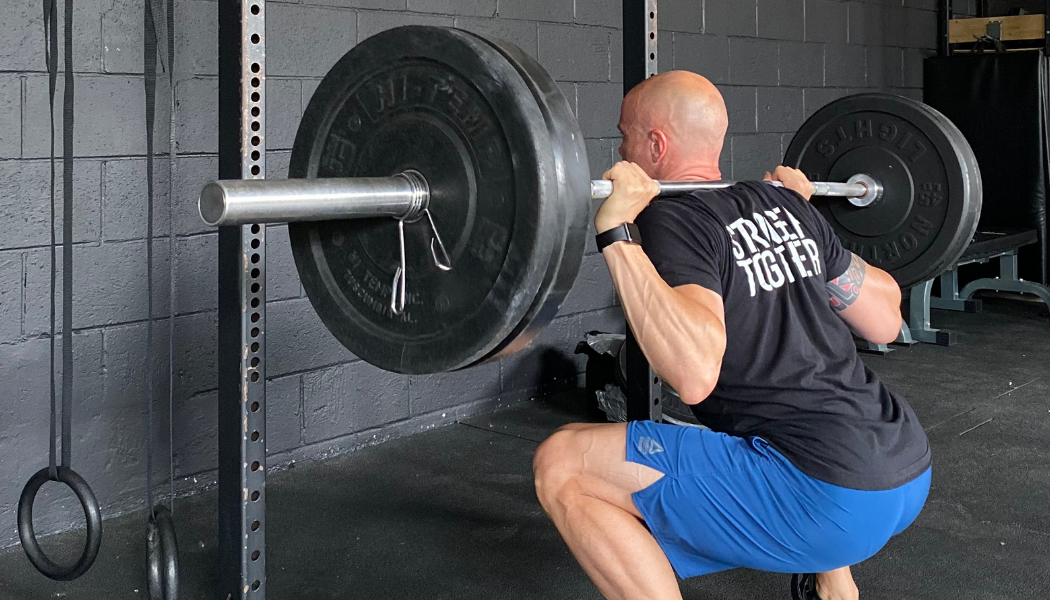
Earn Your Intensity. What does that really mean? The word earn can sound harsh—like we’re telling someone they don’t deserve something. But in CrossFit, “earning your intensity” is about respecting the process. It’s built on the foundation we always come back to: technique first, consistency second, and intensity last. If you focus on improving your technique and applying it consistently, then over time you truly earn the right to add intensity. And here, I’m speaking specifically about heavy lifting. Cardio has its own demands, but let’s stay with lifting for now. Take the back squat as an example. If you haven’t mastered a solid air squat—chest tall, hips below parallel, knees tracking properly—why would you expect to move heavy weight safely? If you can’t do the basics well, you haven’t yet earned the right to go heavy. When I say earn the right, it’s not about me telling you what you can or can’t do. You’re an adult. It’s really a question: has your technique and consistency prepared your body for the demands of heavier loads? Has your strength and mobility built up enough to handle the position safely? If not, then the smartest path forward is simple: refine your squat. Keep working at lower intensities on both strength days and in workouts. That way, you’ll improve movement quality, break old habits, and address mobility limitations. Sometimes it’s not a lack of strength—it’s just that you’ve gotten comfortable with “your version” of the squat instead of chasing a better one. By focusing on technique first, two things will happen: you’ll get stronger, and you’ll reduce your risk of injury. That’s why it’s worth taking the time to earn your intensity. So the next time you approach a heavy lift, remember—it’s not about how much weight you want to put on the bar. It’s about what you’ve earned through consistent, quality movement.
By Dave Delbecchi August 6, 2025
"Discover why most diets fail and how consistency, accountability, and proper nutrition coaching lead to lasting fat loss. Learn why calories and macros matter."
SHOW MORE