Late Night Snacking

Dave Delbecchi • July 29, 2021

More often than not, late-night snacking happens out of habit rather than actual hunger. If hunger is the real reason for reaching for snacks after dinner, there are easy changes that can be made earlier in the day to curb this hunger. 

A few simple tweaks to your typical routine can help you prevent the urge to reach for night-time snacks.
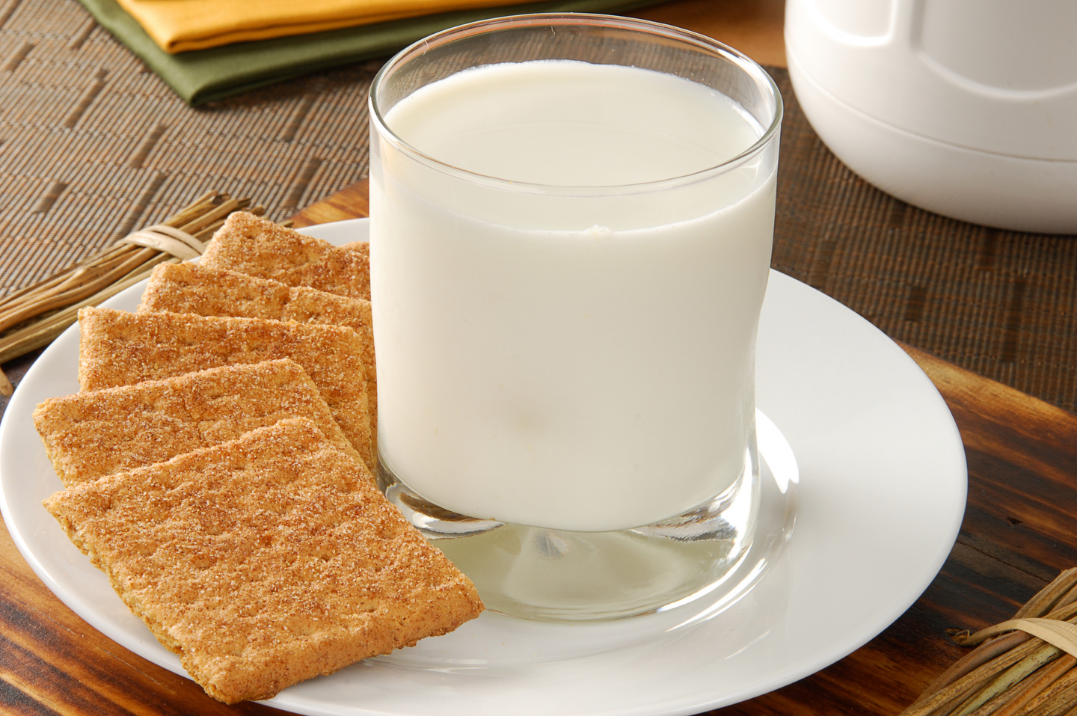
A glass of milk and crackers on a plate on a table.

STOP AND THINK

Before going back into the kitchen, ask yourself these questions:

  • Am I snacking because I’m actually hungry, or just out of pure habit? 
    We make associations in our mind between two things when we repeatedly do them together; this includes food and late-night activities. So, if you’re used to watching TV and mindlessly eating potato chips at the same time, you’re likely going to crave chips every time you plop down on the couch after a long day with the remote in your hand. See if you can either replace snacking with something else, like drinking tea while watching TV instead of eating chips.
  • What else could be driving this habit? 
    Are you snacking out of boredom, loneliness, or from stress after a long day at work? Instead of turning to mindless snacking, it’s time to create a list of activities that can solve these problems.
  • What types of things do you enjoy doing?
    Do more of those if you can. This can include taking a walk outside, reading, taking a hot shower, cooking something healthy for the next day, cleaning, surfing the internet, etc. Anything to occupy your brain from focusing on the snacking habit you’ve developed.
  • Is snacking holding you back from achieving your results? 
    Snacking after dinner isn’t always a big offence. In fact, in certain situations, snacking can help you, but it really depends on the person. If you’re not getting the results you want and can’t figure out “why,” take an honest look at your after-dinner habits. Get clear on the “extras” you might be getting late-night. 

STRATEGIES

HAVE A ROUTINE

If you’re overeating because you aren’t eating enough during the day, then getting yourself into a routine can help. Structured eating and sleeping times will help you spread your food intake over the day so that you’re less hungry at night.

Getting enough sleep is very important when it comes to managing your food intake and weight. Lack of sleep and short sleep duration have been linked to higher calorie intake and poor-quality diets. Over a long period of time, poor sleep can increase your risk of obesity and related diseases.

Having set times for eating and sleeping can help you separate the two activities, especially if you are prone to waking in the night to eat.

PROTEIN

Different foods can have different effects on your appetite. If you eat due to hunger, including protein at every meal may help curb your hunger.

It could also help you feel more satisfied throughout the day, stop you from being preoccupied with food and help prevent snacking at night. One study found that eating frequent high-protein meals reduced cravings by 60% and cut the desire to eat at night by half.

ENVIRONMENT

If you are prone to eating high-fat, high-sugar junk food at night, remove it from your house.
If unhealthy snacks aren’t within easy reach, you are much less likely to eat them.

Instead, fill your house with healthy food that you enjoy. Then when you have the urge to eat, you won’t snack on junk. Good snack-friendly foods to have available if you get hungry include fruits, berries, plain yogurt, and cottage cheese.

These are very filling and probably won’t cause you to overeat in the case that you do end up becoming ravenously hungry in the evening.

RELAX

Anxiety and stress are two of the most common reasons why people eat when they aren’t hungry. However, using food to curb your emotions is a bad idea.

If you notice that you eat when you are anxious or stressed, try to find another way to let go of negative emotions and relax. Relaxation techniques you may find useful include breathing exercises, meditation, hot baths, yoga, gentle exercise, or stretching.

To work with us, try a free nutrition and lifestyle consultation – https://collectivefit.ca/nutrition/

The post Late Night Snacking appeared first on CollectiveFit.

More Posts

By Dave Delbecchi March 25, 2026
If you spend any time in the fitness space lately, you’ve probably noticed a trend. A lot of coaches are telling people to skip cardio. The message is simple: Lift weights. Build muscle. Forget cardio. Some even go as far as saying things like, “Fuck Cardio.” I understand where this idea comes from. Many people hate cardio. Running on a treadmill for an hour sounds miserable to most people. And yes—strength training is incredibly important. Especially as we age. But eliminating cardio completely? That’s a mistake. Because when you remove cardio from your training, you’re ignoring one of the most important components of long-term health. Strength Training Is Essential — But It’s Not Everything As we age, resistance training becomes critical. Lifting weights helps maintain muscle mass, improve insulin sensitivity, strengthen bones, and support hormonal health. Muscle is protective as we get older. It supports metabolism. It supports joint stability. It helps maintain independence later in life. This is why any serious fitness program should include strength training. But focusing only on lifting weights and ignoring cardiovascular training misses a major piece of the puzzle. Strength builds muscle. Cardio builds your heart and lungs. And real health requires both. VO₂ Max: One of the Strongest Predictors of Longevity One of the biggest reasons cardio matters is something called VO₂ max. VO₂ max measures how efficiently your body uses oxygen during exercise. In simple terms, it reflects the capacity of your heart, lungs, and muscles to work together. Why does this matter? Because research consistently shows that VO₂ max is one of the strongest predictors of long-term health and mortality. People with higher cardiovascular fitness tend to live longer and experience fewer chronic diseases. This includes lower risk of: Heart disease Stroke Metabolic disease All-cause mortality In other words, your cardiovascular fitness matters—a lot. And the only way to improve it is through some form of conditioning or cardio. The Problem With “No Cardio” Fitness Programs The idea of skipping cardio completely usually comes from two places. First, many people associate cardio with long, slow, boring workouts. Second, some bodybuilding-style programs prioritize maximizing muscle growth. In that context, excessive cardio can sometimes interfere with recovery or muscle gain. But this doesn’t mean cardio should be eliminated. It simply means it should be programmed intelligently. The goal isn’t endless hours of cardio. The goal is building cardiovascular capacity without compromising strength training. And that balance is entirely possible. The Bottom Line You technically don’t need to do cardio. Just like you technically don’t need to exercise at all. But if you care about long-term health, performance, and longevity? You probably should. Strength training builds muscle. Cardio strengthens your heart and lungs. Together, they create a foundation for lasting health. So before you follow another fitness trend telling you to skip cardio, take a step back. Ask yourself what you’re really training for. If the answer includes health, longevity, and real fitness… Then cardio deserves a place in your program.
By Dave Delbecchi August 24, 2025
Earn Your Intensity. What does that really mean? The word earn can sound harsh—like we’re telling someone they don’t deserve something. But in CrossFit, “earning your intensity” is about respecting the process. It’s built on the foundation we always come back to: technique first, consistency second, and intensity last. If you focus on improving your technique and applying it consistently, then over time you truly earn the right to add intensity. And here, I’m speaking specifically about heavy lifting. Cardio has its own demands, but let’s stay with lifting for now. Take the back squat as an example. If you haven’t mastered a solid air squat—chest tall, hips below parallel, knees tracking properly—why would you expect to move heavy weight safely? If you can’t do the basics well, you haven’t yet earned the right to go heavy. When I say earn the right, it’s not about me telling you what you can or can’t do. You’re an adult. It’s really a question: has your technique and consistency prepared your body for the demands of heavier loads? Has your strength and mobility built up enough to handle the position safely? If not, then the smartest path forward is simple: refine your squat. Keep working at lower intensities on both strength days and in workouts. That way, you’ll improve movement quality, break old habits, and address mobility limitations. Sometimes it’s not a lack of strength—it’s just that you’ve gotten comfortable with “your version” of the squat instead of chasing a better one. By focusing on technique first, two things will happen: you’ll get stronger, and you’ll reduce your risk of injury. That’s why it’s worth taking the time to earn your intensity. So the next time you approach a heavy lift, remember—it’s not about how much weight you want to put on the bar. It’s about what you’ve earned through consistent, quality movement.
By Dave Delbecchi August 6, 2025
"Discover why most diets fail and how consistency, accountability, and proper nutrition coaching lead to lasting fat loss. Learn why calories and macros matter."
SHOW MORE