What Is Functional Fitness Training?

Dave Delbecchi • April 23, 2023
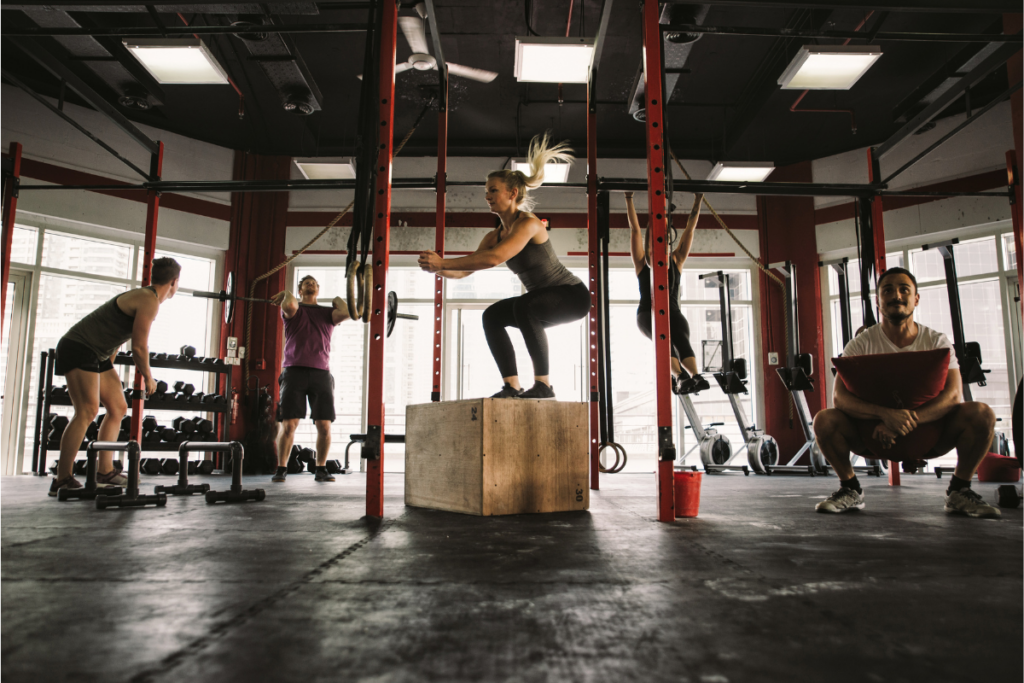
A group of people are doing exercises in a gym.

Fitness is full of buzzwords and jargon—so what is functional fitness training, and why is it important?

Here’s the answer:

Functional fitness training is used to help people become better at things they do in daily life. The movements used in this style of training are often—but not always—very similar to the movements you do every day.

For example, squats are an important functional movement because they help you rise from seated to standing. Deadlifts help you pick objects off the floor—like groceries, a kid, a pet or a box. Shoulder presses can help you put a bag of dog food on a shelf, and farmer carries can help you get the trash to the curb.

Other movements, like kettlebell swings, have significant carryover into daily life: If you learn to open your hips quickly, you’ll likely be able to hop over a puddle or run to catch the bus.

If you compare functional training to bodybuilding, the concept is even more clear.

The goal of bodybuilding is to gain muscle mass, so people use all kinds of machines, implements and movements to isolate certain muscles in training. Then they use specific sets, reps and rest intervals to encourage muscle growth. Bodybuilders are generally interested in size, tone and symmetry, not cardiovascular endurance, stamina, flexibility and so on.

One more comparison: powerlifting. Powerlifters want to become as strong as possible in just three movements. So everything they do is designed to help them move more weight in the squat, bench press and deadlift. They also use specific equipment and training plans to achieve these goals.

With functional fitness training, the goal is much more general: increased total fitness.

The 10 Functional Fitness Domains

To improve overall fitness, functional training emphasizes full-body movements, free weights rather than machines, lots of variety, and workouts of differing length and intensity.

These programs are not “random,” but they don’t look like traditional routines that call for 3 sets of 8-10 reps in every workout.

Here are four very different functional training workouts that will help you become fitter in general:

  1. Run 5 kilometers.
  2. In 20 minutes, do as many rounds as possible of 5 pull-ups, 10 push-ups and 15 squats.
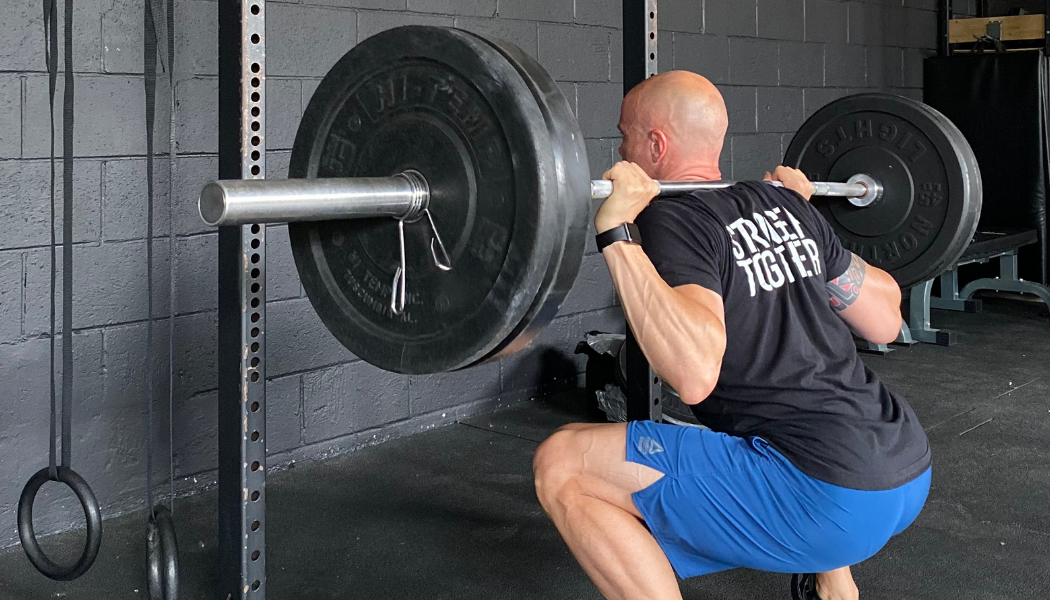
  3. Perform 5 sets of 5 heavy barbell back squats.
  4. Perform 21, 15 and 9-rep rounds of dumbbell push presses and box jumps.

When put together in a training plan, workouts like this are designed to help people improve all these things:

  • Cardiovascular/respiratory endurance.
  • Stamina.
  • Strength.
  • Flexibility.
  • Power.
  • Speed.
  • Coordination.
  • Agility.
  • Balance.
  • Accuracy.

With that list in front of you, you can see why someone who does functional training usually has the ability to perform well in any physical task inside or outside the gym.

A program like this can also be used to help someone lose weight or body fat, gain muscle and strength, or improve conditioning. Some people even use this style of training to improve performance in sports. It’s incredibly potent and a lot of fun.

Is Functional Training for You?

So is functional training better than other styles of training?

It depends on your specific goal. It can be very effective, and it’s incredibly enjoyable in a one-on-one setting or in a group! But if you prefer other methods or have specific goals beyond general fitness, another style of training might work better for you.

The good news: We can tell you how to train to accomplish your goals—whatever they are. We

know all the different styles of training well and can provide an exact plan that will bring success.

If you’d like to talk to us about functional training or ask us how to accomplish your goals, book a free consultation here [LINK] !

More Posts

By Dave Delbecchi March 25, 2026
If you spend any time in the fitness space lately, you’ve probably noticed a trend. A lot of coaches are telling people to skip cardio. The message is simple: Lift weights. Build muscle. Forget cardio. Some even go as far as saying things like, “Fuck Cardio.” I understand where this idea comes from. Many people hate cardio. Running on a treadmill for an hour sounds miserable to most people. And yes—strength training is incredibly important. Especially as we age. But eliminating cardio completely? That’s a mistake. Because when you remove cardio from your training, you’re ignoring one of the most important components of long-term health. Strength Training Is Essential — But It’s Not Everything As we age, resistance training becomes critical. Lifting weights helps maintain muscle mass, improve insulin sensitivity, strengthen bones, and support hormonal health. Muscle is protective as we get older. It supports metabolism. It supports joint stability. It helps maintain independence later in life. This is why any serious fitness program should include strength training. But focusing only on lifting weights and ignoring cardiovascular training misses a major piece of the puzzle. Strength builds muscle. Cardio builds your heart and lungs. And real health requires both. VO₂ Max: One of the Strongest Predictors of Longevity One of the biggest reasons cardio matters is something called VO₂ max. VO₂ max measures how efficiently your body uses oxygen during exercise. In simple terms, it reflects the capacity of your heart, lungs, and muscles to work together. Why does this matter? Because research consistently shows that VO₂ max is one of the strongest predictors of long-term health and mortality. People with higher cardiovascular fitness tend to live longer and experience fewer chronic diseases. This includes lower risk of: Heart disease Stroke Metabolic disease All-cause mortality In other words, your cardiovascular fitness matters—a lot. And the only way to improve it is through some form of conditioning or cardio. The Problem With “No Cardio” Fitness Programs The idea of skipping cardio completely usually comes from two places. First, many people associate cardio with long, slow, boring workouts. Second, some bodybuilding-style programs prioritize maximizing muscle growth. In that context, excessive cardio can sometimes interfere with recovery or muscle gain. But this doesn’t mean cardio should be eliminated. It simply means it should be programmed intelligently. The goal isn’t endless hours of cardio. The goal is building cardiovascular capacity without compromising strength training. And that balance is entirely possible. The Bottom Line You technically don’t need to do cardio. Just like you technically don’t need to exercise at all. But if you care about long-term health, performance, and longevity? You probably should. Strength training builds muscle. Cardio strengthens your heart and lungs. Together, they create a foundation for lasting health. So before you follow another fitness trend telling you to skip cardio, take a step back. Ask yourself what you’re really training for. If the answer includes health, longevity, and real fitness… Then cardio deserves a place in your program.
By Dave Delbecchi August 24, 2025
Earn Your Intensity. What does that really mean? The word earn can sound harsh—like we’re telling someone they don’t deserve something. But in CrossFit, “earning your intensity” is about respecting the process. It’s built on the foundation we always come back to: technique first, consistency second, and intensity last. If you focus on improving your technique and applying it consistently, then over time you truly earn the right to add intensity. And here, I’m speaking specifically about heavy lifting. Cardio has its own demands, but let’s stay with lifting for now. Take the back squat as an example. If you haven’t mastered a solid air squat—chest tall, hips below parallel, knees tracking properly—why would you expect to move heavy weight safely? If you can’t do the basics well, you haven’t yet earned the right to go heavy. When I say earn the right, it’s not about me telling you what you can or can’t do. You’re an adult. It’s really a question: has your technique and consistency prepared your body for the demands of heavier loads? Has your strength and mobility built up enough to handle the position safely? If not, then the smartest path forward is simple: refine your squat. Keep working at lower intensities on both strength days and in workouts. That way, you’ll improve movement quality, break old habits, and address mobility limitations. Sometimes it’s not a lack of strength—it’s just that you’ve gotten comfortable with “your version” of the squat instead of chasing a better one. By focusing on technique first, two things will happen: you’ll get stronger, and you’ll reduce your risk of injury. That’s why it’s worth taking the time to earn your intensity. So the next time you approach a heavy lift, remember—it’s not about how much weight you want to put on the bar. It’s about what you’ve earned through consistent, quality movement.
By Dave Delbecchi August 6, 2025
"Discover why most diets fail and how consistency, accountability, and proper nutrition coaching lead to lasting fat loss. Learn why calories and macros matter."
SHOW MORE